Sustainability
Tempeh for a healthy planet
At Wiwas Tempeh, we are passionate about organic tempeh, not just for its delicious taste and versatility, but for its positive impact on the planet. We believe that delicious food can be good for you and the environment. Here’s how we are working toward a more sustainable future.

Organic Soy
We use organic soy to make Wiwas Tempeh because we care about the planet and because we want to give our children and the wider society, healthy lives for the future. We spent many years perfecting the process of turning organic soy into the best tasting tempeh you can buy. Organic soy is good for you, good for your community, and good for the planet.
Eco-friendly production
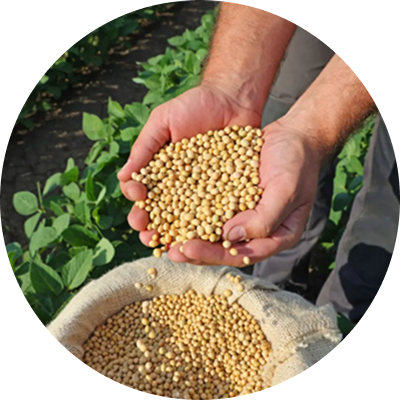
Our production facility is designed with the environment in mind. We use energy-efficient equipment and have implemented water conservation practices to minimize our impact. We are continuously working to reduce waste through recycling and composting programs.
Sustainable Packaging
We understand the importance of reducing plastic waste. That’s why our packaging is made from recycled materials and is designed to keep out tempeh fresh without harming the environment. We are also exploring innovative packaging solutions to further decrease our ecological footprint.

Community Engagement
Sustainability is not just about what we do within our company, it’s also about inspiring change in our community. We regularly host workshop and events to educate members of the community about sustainable living, and the benefits of plant-based diets. By fostering a culture of sustainability, we hope to drive change from the grass roots upwards.
Organic Tempeh means Low Emissions
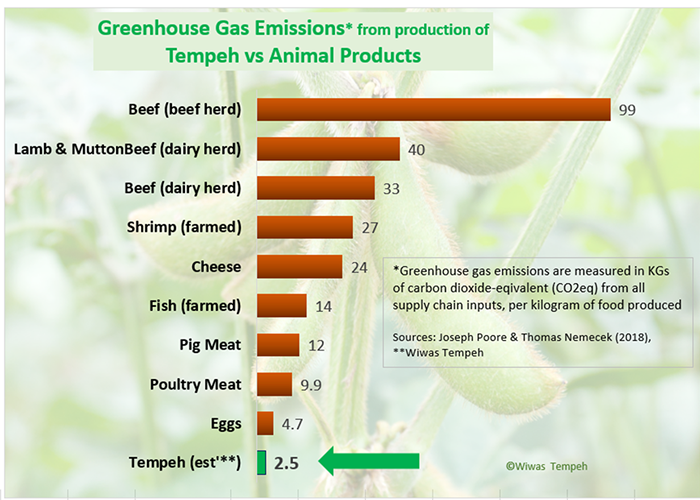
Adding Wiwas organic tempeh to your diet greatly reduces greenhouse gas emissions and helps to restore a health environment by eliminating pesticides and fertilisers.
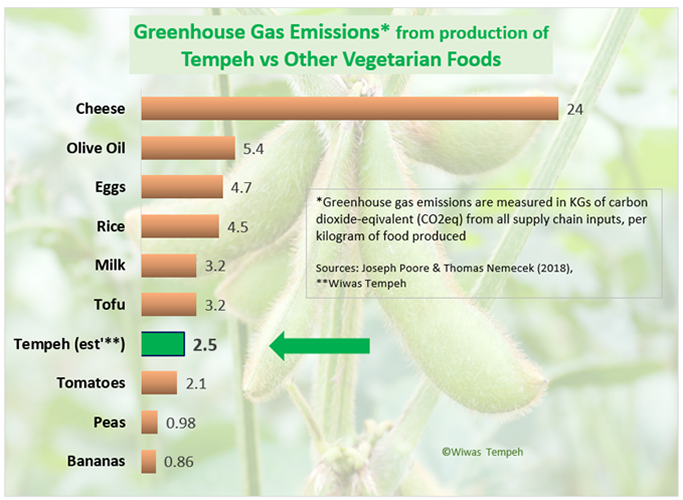
If all emissions from the production processes are added up, making 1kg of organic tempeh produces only 2.5kg (5.5lb) of CO2 equivalent, compared to 99kg for 1kg of beef, and 24kg of 1kg of cheese.
If you are concerned about climate change, Wiwas organic tempeh hits animal protein out of the park!
But that’s not all.
Even compared to all other vegetarian foods, tempeh is one of the best. It beats the main food groups including cheese, eggs, milk and even tofu. This is due to the simple production process which is kind to the soil, and uses energy efficient equipment throughout.
No wonder vegetarians are discovering the benefits of organic tempeh, the “wonderfood”
Organic Soy versus Non-Organic Soy
| Organic Soy | Non-Organic Soy | |
|---|---|---|
| Pesticide Use | No synthetic pesticides | High pesticide usage |
| Soil HealthUse | Enriches Soil | Soil requires agrichemicals |
| Greenhouse Gas Emissions | Lower | Higher |
| Biodiversity | Enhances Biodiversity | Reduces Biodiversity |
| GMO-Free | 100% non-GMO | GMOs = high pesticide usage |
| Water Quality | Reduces contamination | Risk of Run off |
| Farm & Process Workers | No exposure to agrichemicals | Potential for agrichemical exposure |
Wiwas organic tempeh scores very highly in reducing greenhouse gas emissions.
But there are many other factors in the sustainability equation when comparing our use of organic soy, with non-organic soy.
These include the impact from eliminating synthetic pesticides from cultivation which has numerous advantages for the soil, biodiversity and pollinators, water pollution and worker welfare.
If you are concerned about sustainability, Wiwas organic tempeh is the way to go!
Understanding Our Certifications
FDA Registered
Facilities that manufacture, process, pack, or hold food that is intended for human or animal consumption in the United States must register with the Food & Drug Administration (FDA) before beginning these activities. See:
FDA Registration
US Department of Agriculture: ORGANIC
Produce can be called organic if it’s certified to have grown on soil that had no prohibited substances applied for three years prior to harvest. Prohibited substances include most synthetic fertilizers and pesticides. Organically processed foods cannot contain artificial preservatives, colors, or flavors and require that their ingredients are organic. Source: Organic 101: What the USDA Organic Label Means | USDA & Organic Standards
Texas Department of Agriculture: Certified ORGANIC
Texas Department of Agriculture Organic Certification Program is to ensure the integrity of organic agriculture products produced and manufactured in Texas by providing certification services to Texas producers and agribusinesses. To be certified, an operation must comply with organic production and handling regulations established by the USDA National Organic Program (NOP). Source: Organics (texasagriculture.gov)
Certified Vegan (Vegan.org)
Women Owned
If you have further questions about our certifications, please contact on:
Email: wiwascs@gmail.com
Phone: (832) 299-4082